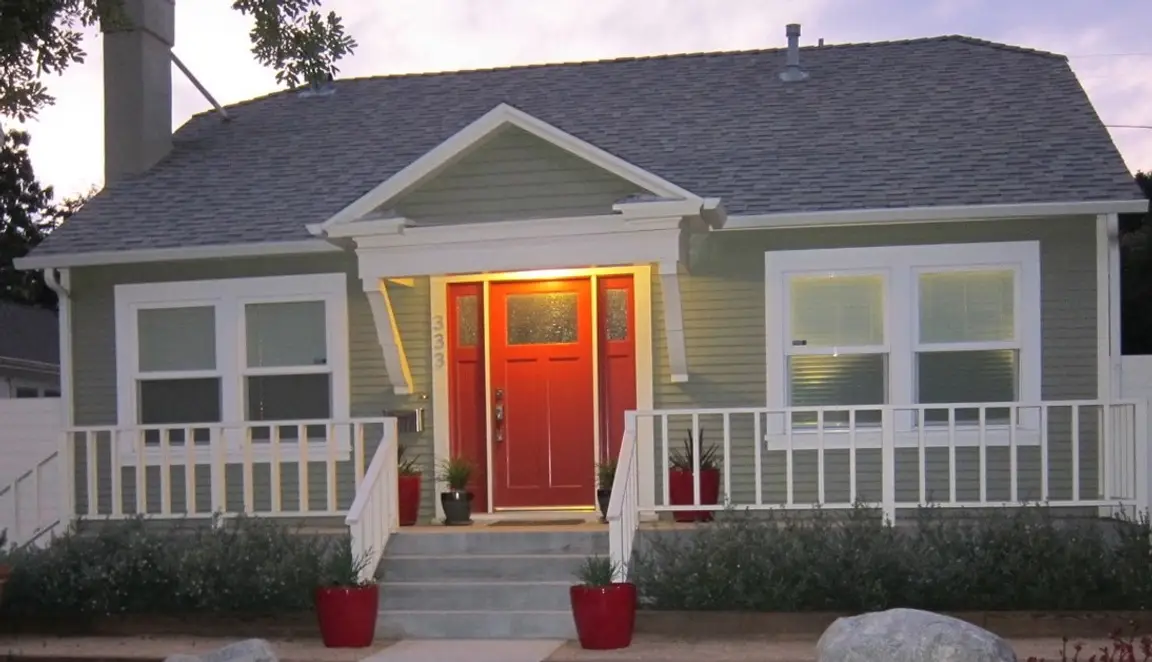

A vacant or damaged house in Dallas-Fort Worth is exactly the kind of property I specialize in — fire damage, storm damage, mold, an outdated interior, or a house that’s just sat empty too long. You don’t need to fix it, clean it, or even walk back through it if you don’t want to. As a licensed Texas agent and a direct cash buyer, I’ll buy it as-is or tell you honestly if listing it would actually net you more.
Why Vacant and Damaged Houses Are a Different Kind of Problem
A vacant house has real risks a lived-in one doesn’t — burst pipes going unnoticed for weeks, break-ins, vandalism, trespassers, and standard homeowners insurance that may not even cover a house that’s been empty past a certain point (most policies require a separate vacant-home policy after 30-60 days). A damaged house — fire, storm, foundation issues, mold — also scares off most traditional buyers and their lenders, since many loans won’t finance a home that doesn’t pass a basic inspection. That combination is exactly why these properties usually move faster and easier through a cash sale than a traditional listing.
Your Real Options for a Vacant or Damaged House
Here’s what actually makes sense depending on the damage and your timeline:
- Sell for cash, exactly as-is — no repairs, no cleanout, no staging; I buy it in whatever condition it’s in today.
- File an insurance claim first, then sell — if the damage is recent and covered, filing a claim before selling can sometimes net you more, even selling as-is afterward.
- Make targeted repairs, then list — if the damage is minor and there’s time, fixing just the highest-impact items can open up the buyer pool and the price.
- Secure the property now — board up windows, change the locks, get vacant-home insurance — regardless of which option you choose, protecting it while you decide is worth doing immediately.
- List it as a fixer-upper — some buyers specifically look for damaged or dated houses at a discount; this can work if there’s real equity even after the needed repairs.
Cash Offer or List It? As Your Agent, I Can Do Either
For a truly damaged or long-vacant house, a cash sale is usually the more realistic path — most retail buyers and their lenders simply won’t touch it. But if the damage is more cosmetic than structural, or the neighborhood is strong enough that a renovated comp makes the math work, listing might be worth exploring first. Because I’m a licensed Texas agent and a direct buyer, I’ll tell you honestly which situation you’re in instead of just making an offer and hoping you don’t ask.
Frequently Asked Questions About Vacant and Damaged Houses
Do I need to fix anything before you’ll make an offer?
No. As-is means as-is — broken windows, missing fixtures, fire damage, mold, whatever’s there. I’ll walk through it (or look at photos and video if you’d rather not meet at the property) and make an offer based on the condition it’s actually in.
Is my house too damaged to sell at all?
Almost certainly not too damaged for me to at least look at and make an offer — I regularly buy houses with fire damage, mold, foundation problems, and even full teardowns. The condition affects the number, not whether you have an option at all. Get in touch and let’s find out what your specific situation looks like.
Someone’s been trespassing in the vacant house — what should I do?
Secure it immediately — change the locks, board up any open entry points, and if people are actively inside, that’s a police matter for trespassing, not something to handle yourself. If someone claims they have a right to be there (a former tenant, for example), that can turn into a legal question fast, and a real estate attorney can tell you the right way to handle it in Texas.
Do I have to disclose the damage to a buyer?
Generally, yes — Texas law requires sellers to disclose known material defects using a Seller’s Disclosure Notice, with a few narrow exemptions. Being upfront about the condition is also just simpler in practice — it avoids disputes later and it’s exactly what a cash sale accounts for in the offer anyway. An attorney can tell you if your specific sale qualifies for any exemption.
Will my homeowners insurance still cover a vacant house?
Often not, or not fully — most standard homeowners policies limit or exclude coverage once a house has been vacant for 30 to 60 days, right when you need coverage most for vandalism or a burst pipe. Call your insurance agent and ask directly about a vacant-home policy or endorsement — it’s usually inexpensive relative to the risk of having no coverage at all.
How fast can we actually close on a vacant house?
Often within a week or two once you accept an offer, since there’s no tenant to coordinate around and no financing contingency to wait on. The exact timeline depends on your title situation, but a vacant house is honestly one of the easiest, fastest properties to close on.
Get a No-Obligation Offer on Your House As-Is
Tell me a bit about the house and its condition below. I’ll get back to you within a couple of business hours with a straight answer about your options.