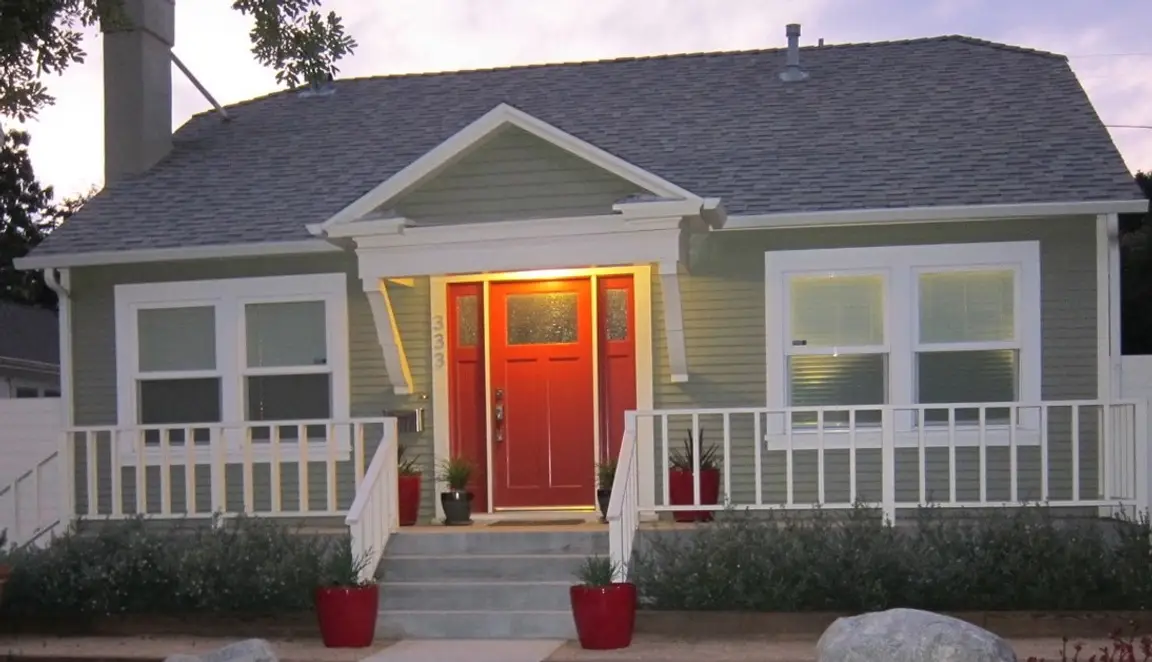

If you’ve inherited a house in Dallas-Fort Worth, you can usually sell it — but whether you need to go through probate first, and how fast you can move, depends on the will, the other heirs, and how the property was titled. As a licensed Texas agent and a direct cash buyer, I can help you sell it either way: fast and as-is, or listed on the open market once it’s ready.
Do You Have to Go Through Probate to Sell an Inherited House in Texas?
Usually, yes, in some form — a house can’t legally change hands until the title is cleared through the court or another recognized process. The good news is Texas has some of the more efficient probate options in the country. If there’s a valid will and no unpaid debts other than a mortgage, Texas allows something called “muniment of title,” which can transfer ownership without a full estate administration. If the will names an independent executor, that process moves faster and with less court supervision than in many other states. If there’s no will, the estate typically goes through a court process to determine the legal heirs before anyone can sell.
Every estate is different, and the type of probate you need genuinely changes your timeline. A probate attorney can tell you within one conversation which process applies to your situation and about how long it will take — that call is usually worth making before you do anything else.
Do All the Heirs Have to Agree to Sell?
If you inherit a house with siblings or other relatives, you generally become co-owners, and a sale usually needs everyone’s agreement or signature. If one heir wants to sell and another doesn’t, that’s genuinely one of the hardest parts of an inherited property, and it’s worth having a real conversation about buying each other out, splitting future proceeds, or, as a last resort, a court-ordered partition sale. I can walk you through what a fair split looks like even if I only end up buying one heir’s share, or none of it.
Your Real Options for an Inherited House
Once the title is clear (or clearing), here’s what’s genuinely on the table:
- Sell it directly — as heirs (or through the executor), sell to a traditional buyer or list it on the open market once title work allows.
- Sell it fast, as-is, for cash — skip repairs and cleanout entirely; useful when the house needs work or heirs live out of state.
- Keep it and rent it out — if the estate can carry it and heirs agree, some families hold onto an inherited property as a rental.
- Move in yourselves — one heir can sometimes buy out the others and keep the house.
- Do a partition action — if heirs can’t agree, a Texas court can order the property sold and the proceeds divided.
Cash Offer or List It? As Your Agent, I Can Do Either
Inherited houses often sit vacant, need repairs, or come with heirs scattered across different cities — which is exactly the situation a fast cash sale solves well. But sometimes the house is in good shape and simply listing it gets everyone more money for the estate. Because I’m a licensed Texas agent and a direct buyer, I can give you a real cash offer and a real market listing estimate side by side, so the heirs can decide with real numbers instead of guessing.
Frequently Asked Questions About Selling an Inherited House in Texas
How long does probate take in Texas?
A simple, uncontested probate with an independent executor can sometimes wrap up in a couple of months. A more complex estate, or one where heirs disagree, can take considerably longer. A local probate attorney can give you a realistic estimate once they know the specifics of the estate.
Will I owe taxes on an inherited house I sell?
Possibly, but often less than people fear — inherited property generally gets a “stepped-up” tax basis to its value on the date of death, which can significantly reduce taxable gain if you sell soon after. Texas also has no state income or inheritance tax. That said, this is genuinely CPA territory, not agent territory — a tax professional can tell you your actual number before you sell.
What if the house still has a mortgage on it?
That’s common, and it’s still very sellable. Federal law generally allows heirs to keep making payments on an existing mortgage after inheriting the house, and when it sells, the payoff simply comes out of the proceeds at closing like any other sale. If payments have been missed while the estate was being sorted out, let’s talk sooner rather than later so it doesn’t turn into a foreclosure situation on top of everything else.
Can I start the sale process before probate is finished?
Yes — we can talk, look at the house, and get a cash offer or a listing plan in place while probate wraps up, so you’re ready to move the moment the title is clear instead of starting from zero. The sale itself just can’t close until the estate has legal authority to transfer the property.
Do I need to clean out and repair the house before selling?
Not if you sell to me for cash — I buy houses (and everything left inside them) as-is, so you don’t have to sort through a lifetime of belongings or spend money on repairs before selling. If you list on the open market instead, some cleanup and repair usually helps the sale price, and I can advise on what’s actually worth doing versus what isn’t.
I’m the executor, but one heir won’t respond or cooperate. What now?
This comes up more than you’d think. If the will grants the executor “independent” authority and power of sale, you may be able to move forward without every heir’s signature — but that depends on exactly how the will and the probate order are written. If there’s no such authority, an unresponsive heir can genuinely stall a sale, and a probate attorney is the right person to tell you what leverage you actually have.
Get a Cash Offer or a Listing Estimate — No Obligation
Whether the estate is still in probate or ready to close, tell me a bit about the house below and I’ll get back to you within a couple of business hours with straight numbers for both paths.