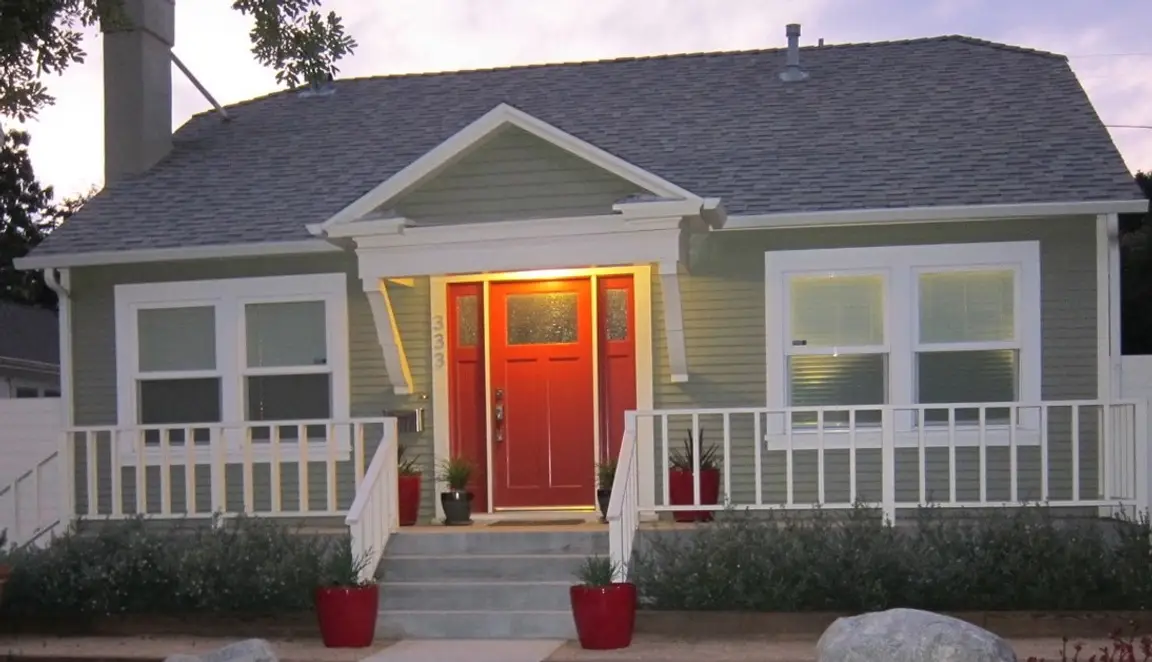

Texas is a community property state, which generally means a house bought during the marriage belongs to both spouses regardless of whose name is on the deed, and a divorce court will divide it in a way the judge finds “just and right” — which is not automatically a 50/50 split. Most couples end up with one of three outcomes: sell the house and split the proceeds, one spouse buys out the other and keeps it, or, less commonly, they continue co-owning it for a period after the divorce.
I am Zach Faris, a licensed Texas real estate agent and broker-owner of Faris & Co Realty. I am not a family law attorney, and property division in a divorce is a legal question that deserves a real attorney’s advice — but I help DFW couples sell the house itself regularly, and I can walk you through how that part usually works.
Is the House Automatically Split 50/50?
No — Texas courts divide community property in a manner they consider “just and right,” which can mean an even split but often does not, depending on factors like each spouse’s earning capacity, who will have primary custody of children, and each spouse’s separate property. If the house was owned by one spouse before the marriage, or was received as a gift or inheritance and kept separate, it may be treated as that spouse’s separate property rather than community property, though tracing this can get legally complicated, especially if a mortgage was paid down with community funds during the marriage.
What Are the Actual Options for the House?
- Sell it and split the proceeds. Often the cleanest option, especially when neither spouse can afford the mortgage alone or neither wants to stay. Proceeds are divided according to the divorce decree, which may or may not be an even split.
- One spouse buys out the other. The spouse keeping the house pays the other their share of the equity, often by refinancing the mortgage into their name alone. This requires qualifying for the loan independently, which is not always possible on a single income.
- Continue co-owning temporarily. Sometimes used when kids are involved and the couple wants to minimize disruption, with a plan to sell later. This requires real trust and a clear written agreement, since ongoing co-ownership after divorce can get messy if circumstances change.
Who Stays in the House During the Divorce Process?
Temporary orders issued early in the case typically address who lives in the house while the divorce is pending, and that arrangement does not necessarily predict how the house will ultimately be divided in the final decree. If you and your spouse cannot agree on this, your attorney can request temporary orders from the court to resolve it while the rest of the case proceeds.
Do You Have to Sell Before the Divorce Is Finalized?
Not necessarily — some couples sell during the divorce process, others sell shortly after, and some agree to a buyout without a sale ever happening. Selling before the decree is finalized can sometimes simplify the settlement (there is a specific dollar amount to divide instead of an estimated home value to argue about), but it depends on your specific case and timeline. Your attorney can advise on whether selling before or after finalization makes more sense for your situation.
What If Neither Spouse Can Afford to Keep the House?
If neither spouse can qualify to refinance the mortgage alone, selling is often the only realistic option, and moving quickly can matter if payments are already a strain during an already difficult time. A cash sale can be useful here specifically because it removes the complications of coordinating showings and repairs between two people who may not be on the best terms, and it closes on a firm, predictable timeline that both parties can plan around.
Does the Divorce Automatically Take Both Names Off the Mortgage?
No — a divorce decree can say who is responsible for the mortgage, but it does not remove either spouse’s name from the actual loan with the lender, which means both parties can remain liable to the lender until the loan is refinanced or paid off. If the spouse keeping the house does not refinance into their name alone, the spouse who moved out can remain on the hook for that mortgage, which can also affect their ability to qualify for a new home loan of their own. This is one of the more overlooked details in divorce property settlements, and it is worth confirming with your attorney and lender before finalizing who keeps the house.
Frequently Asked Questions
Does it matter whose name is on the mortgage or the deed?
Not as much as people expect. In Texas, property acquired during the marriage is generally community property regardless of whose name is on the deed or loan, though there are exceptions worth discussing with an attorney.
Can we sell the house before the divorce is final?
Generally yes, if both spouses agree, though your attorney should confirm this fits your specific case and any temporary orders in place.
What happens to the equity if we sell during the divorce?
Proceeds are typically held and then divided according to your settlement agreement or the court’s final order, rather than split immediately at closing in every case — your attorney can advise on how this is handled in your situation.
Should we use one real estate agent or two?
Many divorcing couples use a single neutral agent to avoid the added cost and friction of two separate representations, as long as both spouses are comfortable with that arrangement.
Selling a House During a Divorce in DFW
Every divorce and every property division is different, and the legal side of that division should go through your attorney. On the real estate side, I can help make the house part of this as fast and low-friction as possible — whether that means a quick cash sale or a well-timed listing. More detail on my dedicated divorce page, or reach out directly for a straight answer with no pressure.